Are you looking for somewhere to travel to in December? If you enjoy wandering among the stalls in the old town, you cannot miss the loveliest Christmas markets in Europe!
Christmas markets are a tradition typical of central and northern Europe, born in the German-speaking countries between the Middle Ages and the Renaissance, but lately they have been spreading more or less everywhere. The finest streets and squares of the old continent fill with little stalls selling local produce, street food, handicrafts, gift ideas and much more.
If you like travelling in winter, Christmas markets are an excellent excuse to visit the loveliest cities of northern Europe: full of lights, decorations and scents, they will intoxicate you and brighten the dark winter days, as well as being a genuine attraction in their own right.
One useful warning before you set off: almost all the markets I write about here open towards the end of November and close shortly before or shortly after Christmas, not at New Year. It is the most common planning mistake, so always check the dates on the city’s website before booking, because they change every year.
In this post you will find the 5 loveliest Christmas markets in Europe I have been to, with the best things you can taste.
Let’s go!
Christmas markets in Germany: Aachen
Christmas markets in Germany are hugely popular.
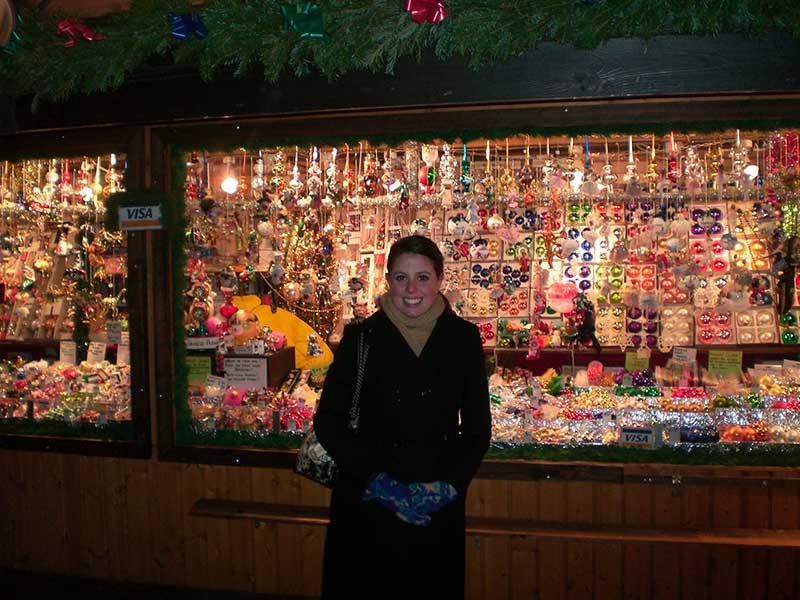
If you don’t know what to give for Christmas, these markets are always an excellent excuse to find last-minute presents, or to drink a hot punch and warm up on cold winter afternoons.
The Christmas markets of Aachen are set up around the cathedral and the town hall, in the heart of the old town, and they are among the loveliest I have visited: you stroll between the chalets with Charlemagne’s cathedral lit up behind you, and the effect is hard to beat.
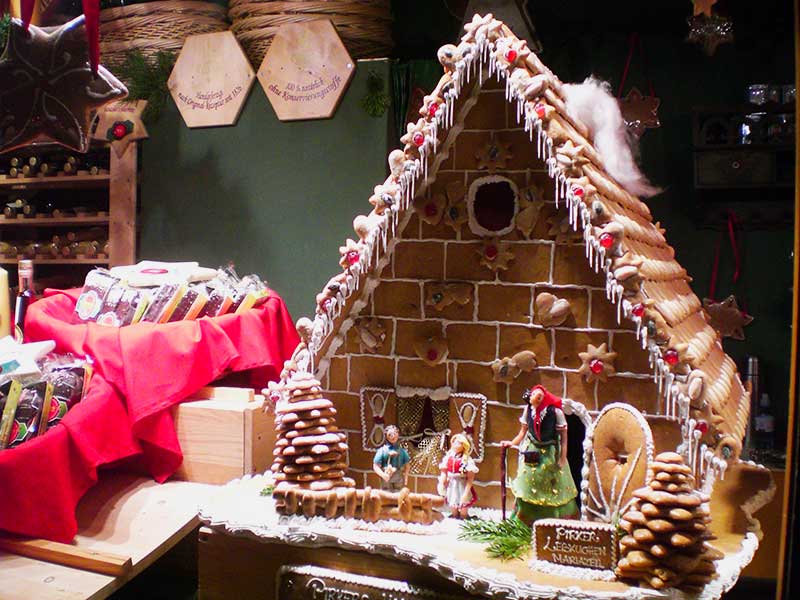
Among the local products you will find, there are of course the sweets.
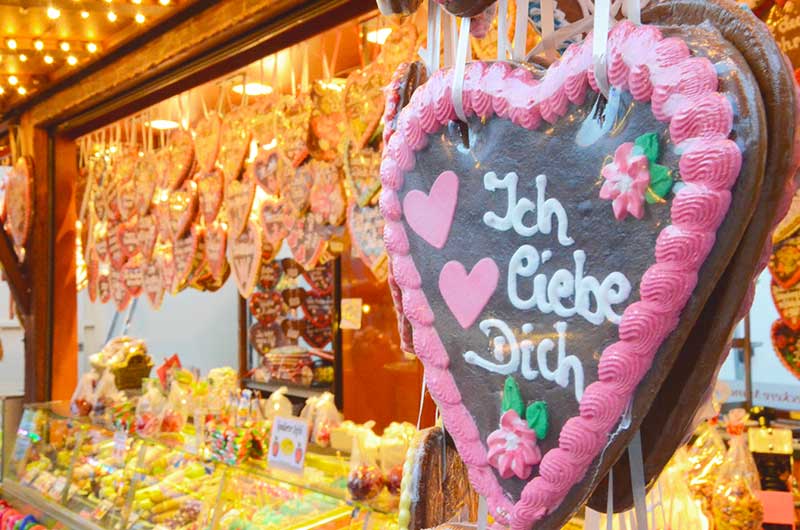
The most famous of all are Printen, the spiced biscuits that are Aachen’s speciality and even carry a protected origin mark: they are hard, deeply fragrant with cinnamon and anise, and come in dozens of variants, from softer ones to those coated in chocolate. Alongside those you will find gingerbread, Spekulatius, Dominosteine and marzipan covered in chocolate.
They are all exceptionally good, try them and see.
The Paris markets: what has changed
Among the loveliest Christmas markets I have ever visited are certainly those of Paris.
Here, though, an important update is needed, because the location is no longer the same. For years the big Christmas market was held along the Champs-Élysées, but in 2017 the city did not renew the concession: not for security reasons, as has often been reported, but because of a dispute with the organiser and the administration’s wish to raise the quality of an offering it judged too commercial.
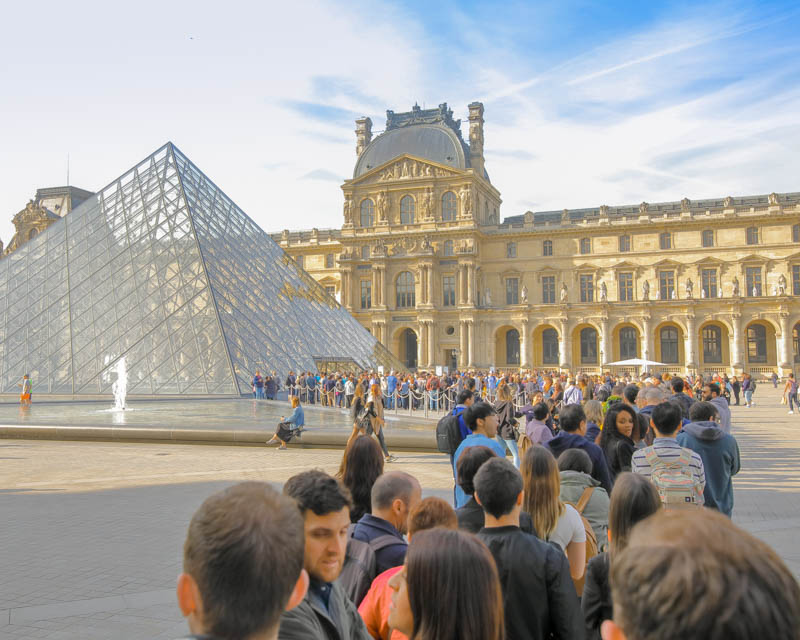
From the following year the market moved to the Jardin des Tuileries, between Place de la Concorde and the Louvre, where it runs as Magie de Noël, with chalets, funfair rides and a big wheel. It isn’t the only one: in December you will find others at La Défense, Saint-Germain-des-Prés and Notre-Dame. If your memory or your guidebook still talks about the Champs-Élysées, be aware that what you will find there today is mainly the illuminations, which are a spectacle in themselves.
Would you like to bring home typical French produce?
At the Paris markets there are cheeses from every French region, wines for every palate and the classic têtes au chocolat, soft meringue coated in chocolate… delicious! A couple of steps away is the Petit Palais, which is free and heated: an excellent idea for a break when you can no longer feel your hands.

Christmas markets in Vienna
Do you want to plan a trip to Vienna? I went around 2010 and two things really stayed with me: the splendid Christmas markets of the Austrian capital and the COLD!
The Christmas markets of Vienna don’t have one set location but are spread across various parts of the city, from Schönbrunn to the Belvedere, from Maria-Theresien-Platz to the courtyard of the Museumsquartier.
Would you like to know which is the most magical?
The one on the town hall square, the Christkindlmarkt on Rathausplatz, which is also the oldest and the largest: against that neo-Gothic backdrop they set up beautiful wooden chalets, all decorated for the season and with so many lights that the square looks even more magical. In the park in front, the trees are decorated by theme and there is even an ice rink among the paths.
Here you will find traditional handmade candles, Christmas decorations and boiling hot punch to fight the cold.
If you don’t know where to have dinner in Vienna, among the market stalls you can find the classic Austrian potato fritters, baked potatoes with cheese and, of course, the inevitable slice of Sachertorte! One small tip: on punch and mulled wine you almost always pay a deposit on the mug, refunded when you bring it back. If you like the mug, keep it: it is the cheapest souvenir there is.
The Christmas markets of Ljubljana
I have been to the markets of Ljubljana and I was captivated.
The riverside comes alive with stalls and beautiful lights, accompanied by live music and excellent street food including goulash. They are a meeting point for locals, who take the chance to be together and enjoy the winter evenings warming up with mulled wine.
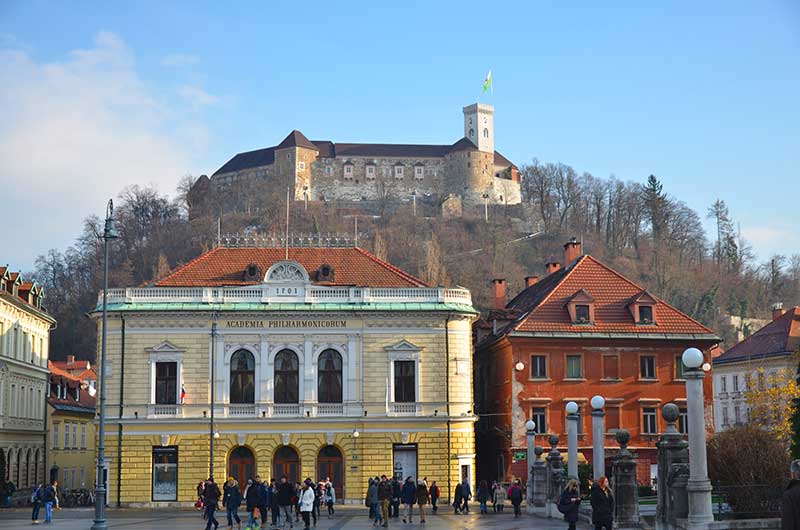
Compared with the others on this list, Ljubljana’s has a character all of its own: it is small, it isn’t designed for coachloads of tourists and it feels more like a long neighbourhood party along the river, with designer illuminations whose pattern changes every year.
If you find yourself seeing the Christmas markets in Ljubljana, I also recommend going up to the castle. When it is lit up it makes the city look even lovelier, and from above you can see the whole ribbon of lights following the course of the Ljubljanica.
The little town of Monschau
Monschau is a small town in Germany, in the Eifel, an hour and a half from Cologne, and it already looks like the village of the elves who help Father Christmas: half-timbered houses crowded against one another at the bottom of a narrow valley, with a stream running through the middle. Picture it under snow and full of little lights.
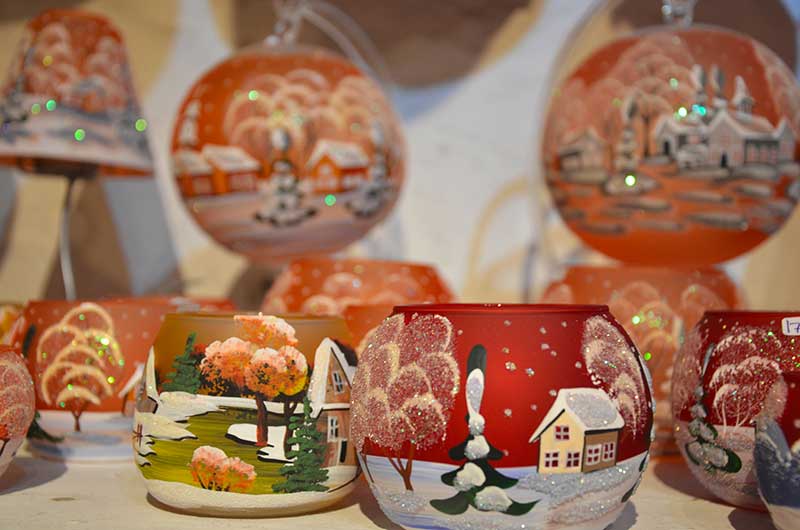
At the Monschau Christmas market you can find all the typical German products: from the famous handmade glass decorations for the tree to the products of the historic mustard mill (try the honey or tomato one!) and lots of typical lace.
There is even a House of Christmas, a shop over several floors right in the centre, selling Christmas decorations practically all year round.
Two practical warnings, because getting this trip wrong is very easy. First: the Monschau market is not open every day, only at weekends between late November and the week before Christmas, so check the calendar before you leave. Second: the town is small and very narrow, and on peak weekends it fills up so much that you end up walking in single file; without a car you get there in about two hours from Cologne, by train to Aachen and then bus. Go early in the morning and you will genuinely enjoy it.
I warmly recommend it!
A few practical tips for Christmas markets
A few things learned from doing quite a lot of them, which hold true everywhere.
Dress as if you were going to stand still, not as if you were going to walk: at markets you spend a long time on your feet, often standing in a queue or at a table, and you get cold far faster than you expect. Waterproof shoes, thick socks, gloves.
Go on a weekday if you can. On December weekends the most famous cities are overrun and the magic gets a bit lost in the crowd.
Bring cash. Many chalets, especially in small towns, don’t take cards, and the cash machines in the centre run dry over the holidays.
Don’t wait for New Year. As I said at the start, most markets close between 23 and 26 December; only some, such as certain Vienna markets, stay open into early January.
Which are your favourites?
I think Christmas is a moment for rediscovering your own traditions and therefore also for valuing typical local products, and not only the edible ones.
That is why Christmas markets in Europe are an important meeting point but also a moment of cultural rediscovery.
In the coming years I hope to visit many more, especially in Austria and northern Italy.
And you, which one would you recommend?